Begin with an ordinary day
A beautiful waterfront can make a powerful first impression, but choosing a neighbourhood becomes easier when you imagine an ordinary Tuesday as well as a sunny weekend. Think about the time you leave home, the errands you combine, the places you return to, and the amount of energy available at the end of the day. A setting that supports those routines can be more useful than a long list of nearby attractions.
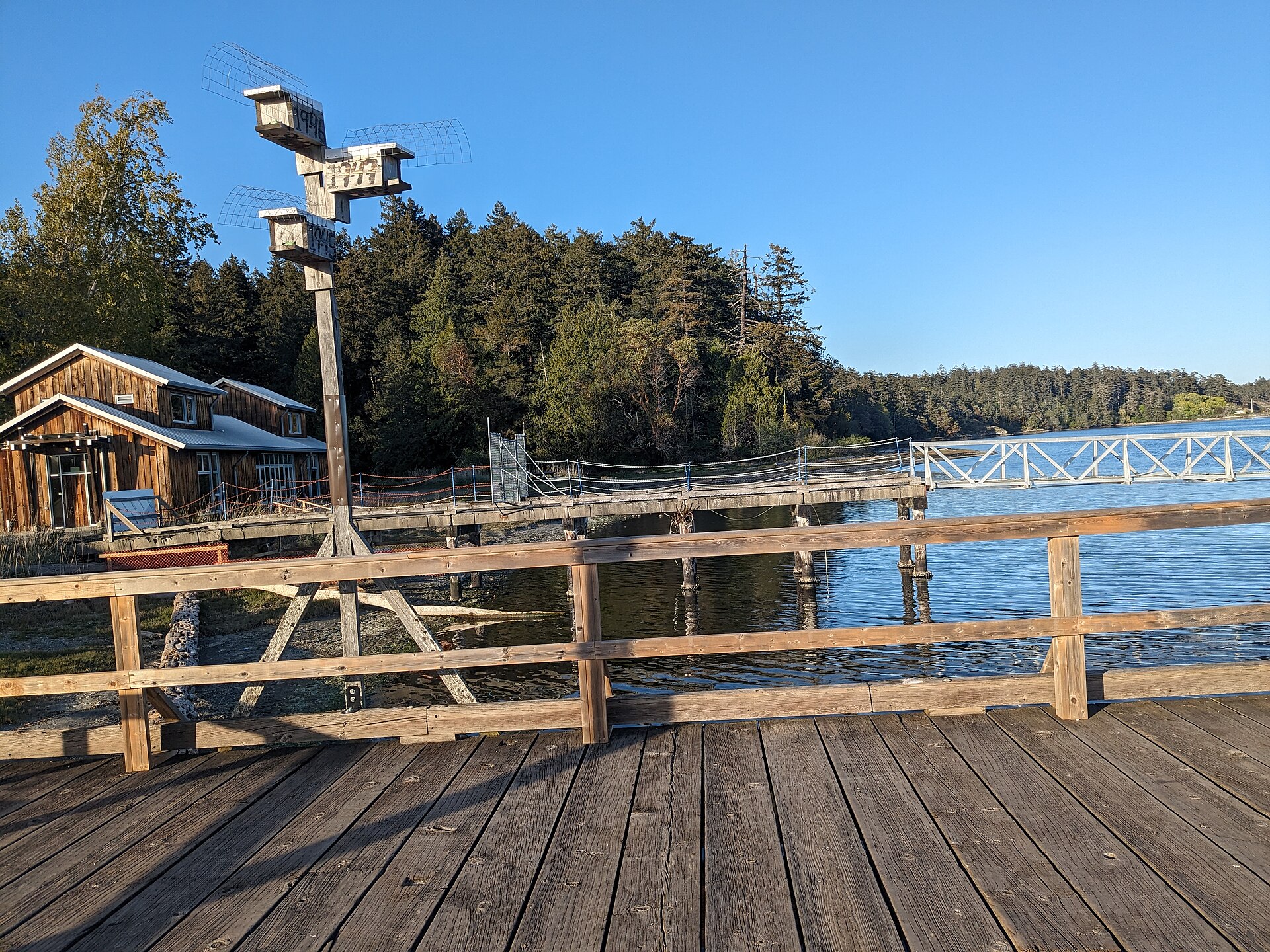
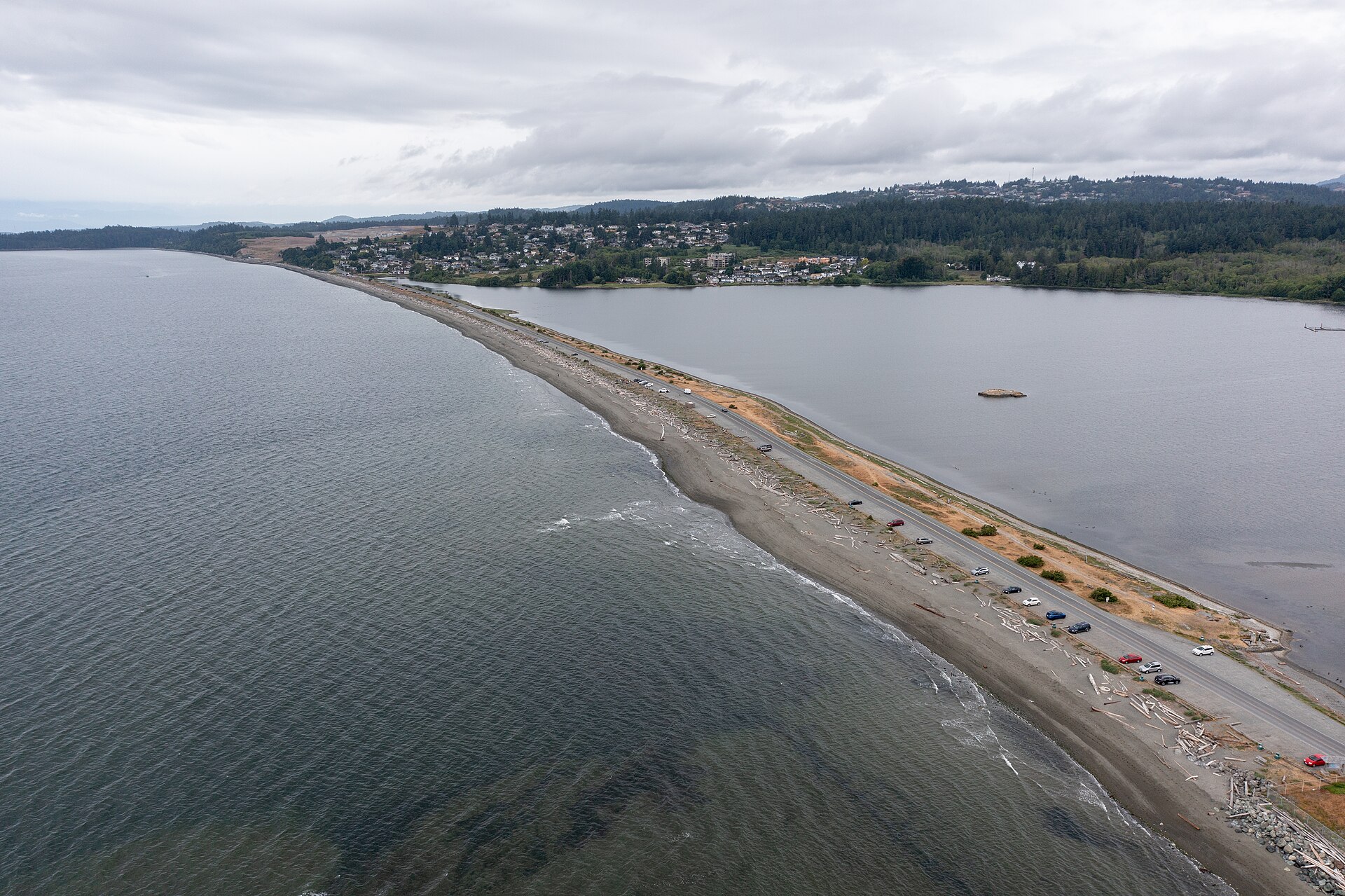
Near Esquimalt Lagoon, the relationship between homes, local streets, and the shoreline deserves particular attention. Start with a map, then test your assumptions in person where access is permitted. A line that looks short on a screen may involve a slope, a crossing, or a different entrance than expected. Keep notes about the actual route rather than reducing the neighbourhood to a single distance.
Understand the landscape you are joining
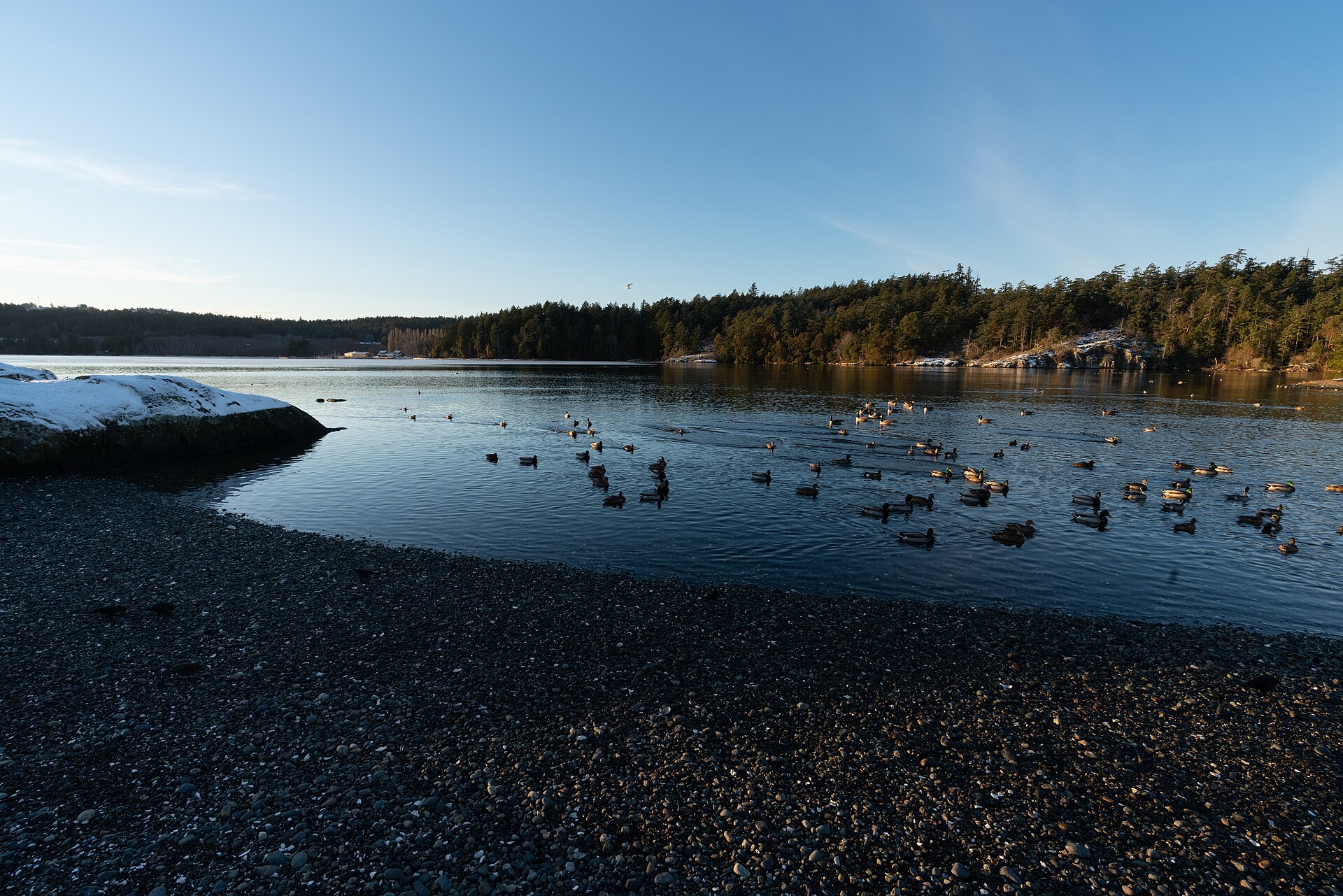
Environment and Climate Change Canada identifies Esquimalt Lagoon as a migratory bird sanctuary that provides feeding and resting habitat for waterbirds. The protected setting is central to its character. Treat the shore as a place shared with wildlife, rather than an amenity whose only purpose is recreation. Use the official sanctuary information when checking access and current restrictions.
That perspective can change what you notice during a visit. Instead of asking only where you could sit or take a photograph, look at the spaces birds are using and how people move around them. Plan quiet observation into the experience. The value of living near a natural place includes the opportunity to know it patiently, without expecting every visit to produce the same view or activity.
Test the full journey, not the headline commute
A realistic journey includes leaving the building, reaching a stop or vehicle, making any connection, and walking at the other end. Check travel at the time you would actually use it. A trip made on a quiet afternoon can give a different impression from an early start or a return after an evening commitment. Avoid treating one successful test as a guarantee for every day.
Use BC Transit’s current planning tools for public transport rather than relying on a remembered route number or a marketing estimate. If you expect to combine walking and transit, inspect the first and last parts of the journey as carefully as the bus ride. Note lighting, crossings, places to wait, and how carrying groceries would change the experience. These observations make comparisons between homes more concrete.
Build a practical map of daily needs
Make a short list of the services your household uses most often. The right list might include food shopping, a pharmacy, a library, school, recreation, or a place to meet a friend. Group them by frequency instead of importance alone. A service used several times a week can shape everyday life more strongly than a destination visited only occasionally.
Then investigate each journey from the particular address you are considering. Do not assume that every part of Colwood has the same access or that a nearby facility can provide the service you need without an appointment, registration, or catchment check. Confirm arrangements with the organization itself. A useful neighbourhood assessment separates what is geographically close from what is practically available to your household.
Consider the home’s transition from outside to inside
Living near a waterfront often encourages more time outdoors, so the entry deserves attention. Think about where footwear, coats, bags, and walking equipment would go when several people arrive together. A pleasant view does not solve a crowded doorway. Look for a workable sequence from entrance to storage and from storage to the main living space.
This is also a good moment to consider cleaning and maintenance routines without assuming that every coastal home has the same materials or exposure. Ask for the specific building’s care information and confirm which tasks belong to the resident, owner, or strata. The goal is a clear understanding of the actual property, not a general claim that a location automatically makes a home difficult or effortless to maintain.
Visit at more than one pace
One visit can focus on practical questions: access, routes, entrances, and the relationship between buildings. Another can be slower, giving you time to notice how the area feels without constantly checking a list. Both approaches are useful. The first reveals logistical issues; the second can help you understand whether you enjoy spending unstructured time in the setting.
Respect public and private boundaries during every visit. A development illustration is not permission to enter a site, and a path visible on a map is not proof that it is open. Follow posted information and use official park and municipal sources for access questions. A neighbourhood can be appreciated fully without stepping into construction areas or treating someone else’s residential space as a viewing platform.
Separate a place from a property offer
The qualities of an area and the terms of a particular home are different kinds of information. Waterfront access, regional connections, and landscape character can help you decide where to look. Current availability, specifications, ownership arrangements, and contractual terms require direct, property-specific confirmation. Keep those questions in a separate record so that enthusiasm for the neighbourhood does not obscure an unanswered detail about the home.
For planning questions, use the City of Colwood’s Development Tracker and ask about the relevant address or application. A broad community name may cover more than one phase or proposal. Record the date of the information you receive. This habit makes it easier to compare documents and prevents an attractive illustration from being mistaken for a confirmed description of what is approved, built, or offered.
Make a decision you can explain
After visiting, write a short account of what worked for you and what still needs checking. Use observations such as a comfortable walking route, an awkward transfer, or a useful entry arrangement. These are easier to discuss than a vague impression that one place felt better. If several people are choosing together, invite each person to describe an ordinary day in the neighbourhood.
A thoughtful choice leaves room for both affection and practical judgment. You may value the lagoon’s changing light, the opportunity to observe birds, or the simple pleasure of having a familiar outdoor route. Connect those experiences with the details that support your daily life. The result is a clearer understanding of the place you hope to join and the questions that a particular home still needs to answer.