
Neighbourhood · 5 min read
Living near Esquimalt Lagoon: a thoughtful neighbourhood guide
Explore the everyday questions that matter when considering a home near Colwood’s lagoon, from daily routines to respectful waterfront access.
Get to know Colwood’s waterfront through its landscape, everyday connections, and the questions that make a neighbourhood work for you.
The shoreline is only one part of a neighbourhood. The route home, an ordinary errand, and the places you return to each week gradually become its familiar structure. Explore Colwood with those details in mind, giving practical routines the same attention as a memorable view.
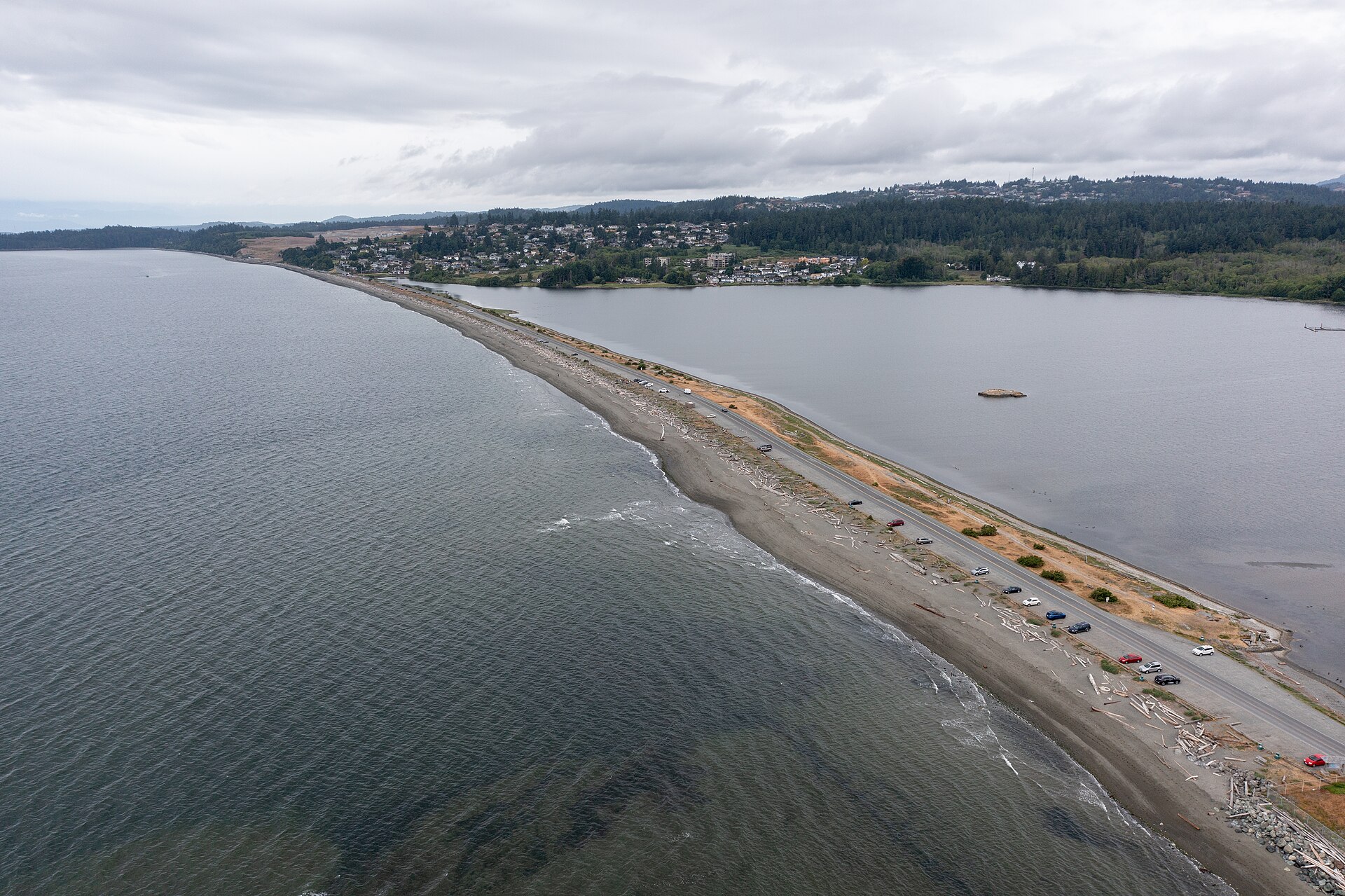
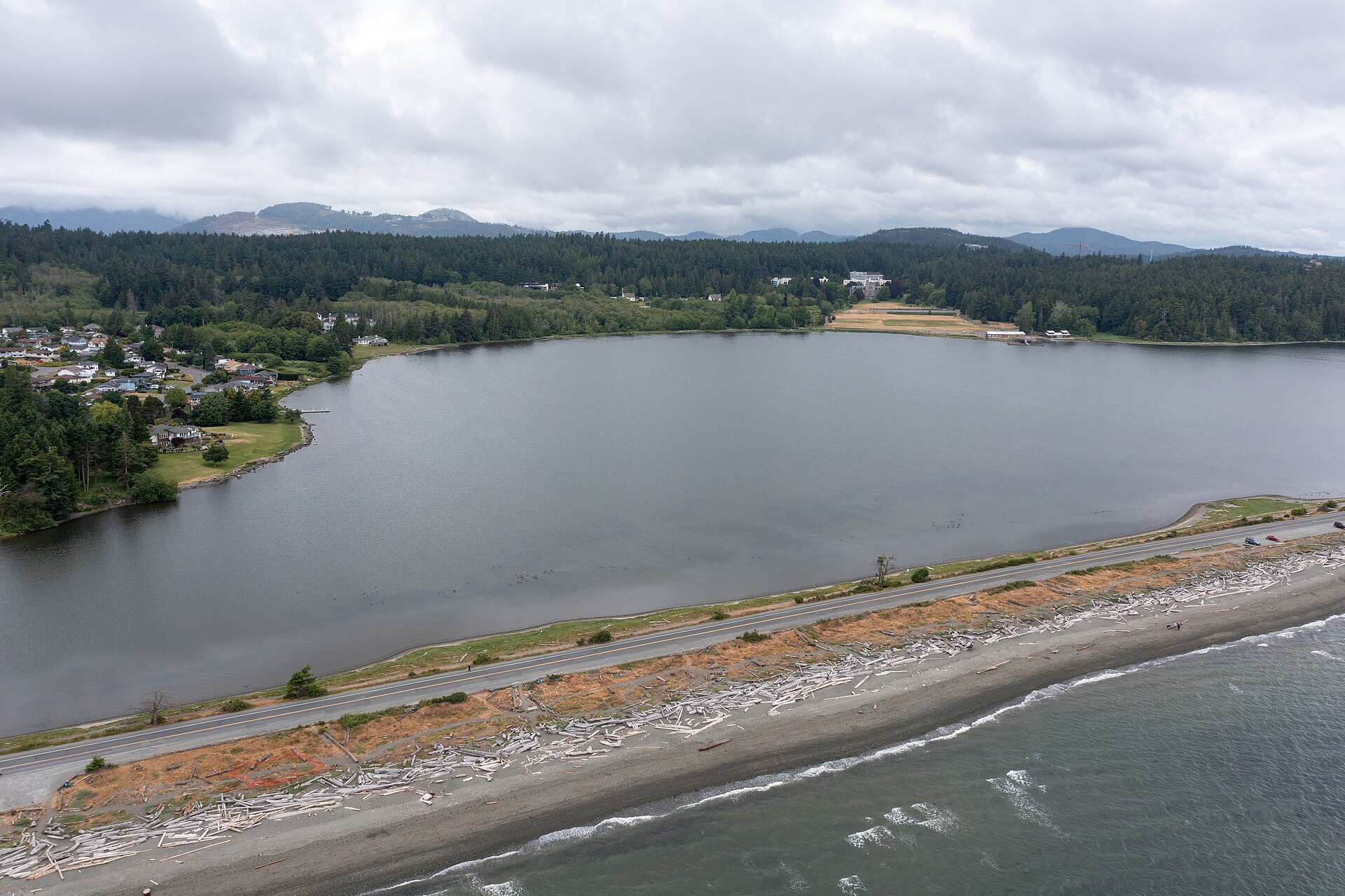
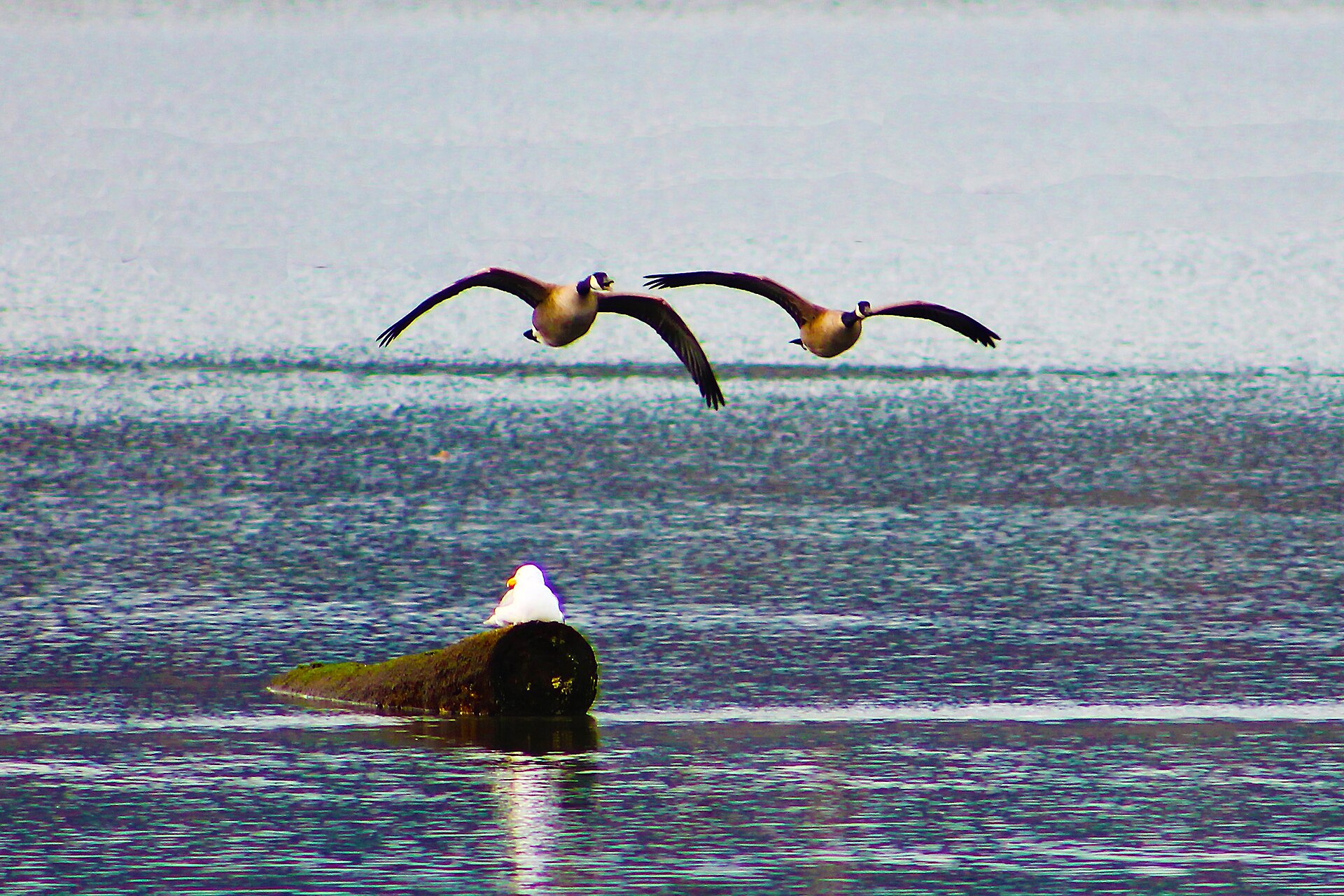
Esquimalt Lagoon’s protected bird habitat deserves a careful approach. Check the federal sanctuary information before visiting, follow posted instructions, and observe wildlife without crowding it. A quiet visit can offer plenty to notice without entering sensitive areas or treating a natural setting as a backdrop for an activity.
The City of Colwood’s Lagoon West Park page is a useful starting point for understanding that particular park and its access. Confirm your intended destination by name and address. A photograph of the wider waterfront is not a guarantee that every visible path or shoreline is public or currently open.
Try a journey at the time you expect to make it. Include the walk to a stop, any transfer, the return trip, and the final route home. Use BC Transit’s current schedules and alerts instead of a fixed travel estimate from a property description. Travel needs can differ substantially between two people living at the same address.
Make a separate list of regular services. Confirm the details that matter to your household directly with each organization, including registration, eligibility, opening arrangements, and the actual entrance you will use. Geographic closeness and everyday convenience are related, but they are not identical.
One visit might focus on walking routes and crossings; another might explore the atmosphere of the area at a slower pace. Keep your observations specific. A sheltered waiting place, an unexpected slope, or a pleasant route for a short walk gives you something concrete to discuss when comparing locations.
Respect private property and active work areas. Use public viewpoints and confirmed access routes, and do not infer permission from a diagram or an open gate. If you need information about an application, use the municipal development records and identify the address or file number clearly.
The following reading selections offer practical ways to assess your own needs. Each heading links back to the complete guide through its source title.
From Living near Esquimalt Lagoon: a thoughtful neighbourhood guide
Make a short list of the services your household uses most often. The right list might include food shopping, a pharmacy, a library, school, recreation, or a place to meet a friend. Group them by frequency instead of importance alone. A service used several times a week can shape everyday life more strongly than a destination visited only occasionally.
Then investigate each journey from the particular address you are considering. Do not assume that every part of Colwood has the same access or that a nearby facility can provide the service you need without an appointment, registration, or catchment check. Confirm arrangements with the organization itself. A useful neighbourhood assessment separates what is geographically close from what is practically available to your household.
Living near a waterfront often encourages more time outdoors, so the entry deserves attention. Think about where footwear, coats, bags, and walking equipment would go when several people arrive together. A pleasant view does not solve a crowded doorway. Look for a workable sequence from entrance to storage and from storage to the main living space.
This is also a good moment to consider cleaning and maintenance routines without assuming that every coastal home has the same materials or exposure. Ask for the specific building’s care information and confirm which tasks belong to the resident, owner, or strata. The goal is a clear understanding of the actual property, not a general claim that a location automatically makes a home difficult or effortless to maintain.
From Planning a car-light routine in Colwood
Choose a few errands that could reasonably be made on foot and try the whole sequence. Consider what you would carry home and whether there is a comfortable place to pause if needed. A route that is pleasant for an unhurried walk may feel different when it is part of a busy day. Both experiences are worth understanding.
Do not assume that a straight line on a map identifies a public route. Follow marked access and check local information where a connection is uncertain. If a destination involves an appointment or a particular service, confirm its availability directly. The aim is to find routines you can repeat confidently, not to create an idealized map that depends on shortcuts or arrangements you have not verified.
A cycling journey begins before leaving the building and continues after arriving. Think about bicycle storage, access to the street, the route itself, and a place to leave the bicycle at the destination. Each part affects convenience. A home can be close to a useful route while still requiring careful consideration of how equipment is stored and moved.
Assess the route in relation to your own experience and comfort, and use current local information about facilities and conditions. Do not treat a promotional image of a bicycle as evidence that every journey is suitable. If you are considering a particular property, ask about the actual storage arrangements and any applicable rules rather than assuming that a shared area can be used in the way you intend.
From Enjoying Colwood’s waterfront with care
A coastal visit can feel different from one occasion to another. Consider the conditions you can verify before leaving and remain willing to shorten or change the outing. Choose clothing and footwear appropriate to the intended route and the information available that day. Do not make a particular photograph, viewpoint, or distance more important than a comfortable and sensible visit.
Plan where you will turn back and how you will return. If several people are visiting together, discuss that plan before the group spreads out. Keep the itinerary realistic for the people involved rather than adopting a route simply because it appears popular. A shorter visit that leaves everyone comfortable can be more rewarding than extending an outing to satisfy an arbitrary goal.
Explore the everyday questions that matter when considering a home near Colwood’s lagoon, from daily routines to respectful waterfront access.
A practical guide to comparing walking, transit, cycling, and occasional driving around the journeys your household actually makes.
Plan a rewarding waterfront visit while respecting wildlife, public access, changing conditions, and the people who share the shoreline.